Bivalve Fossil - Natural (Madagascar)
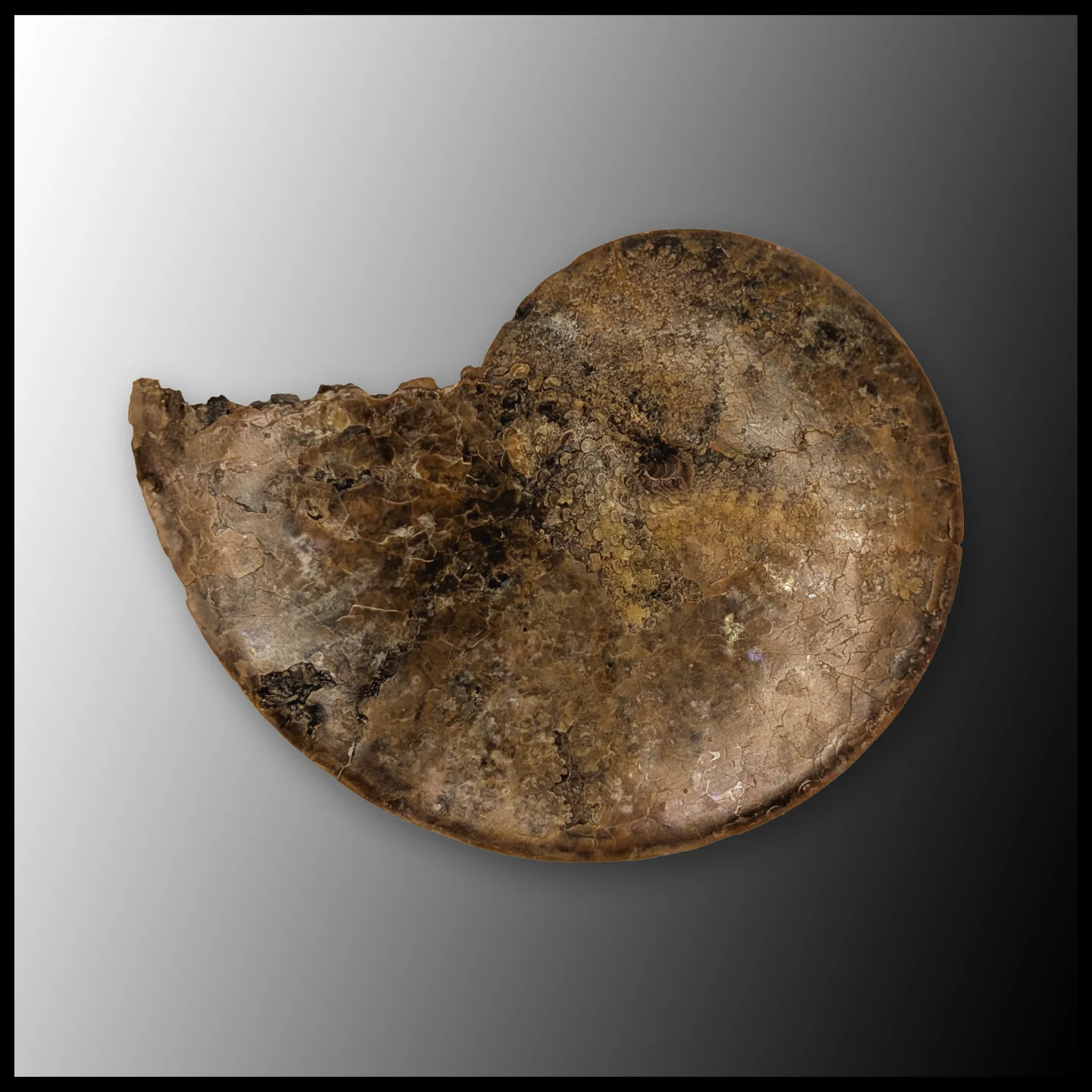
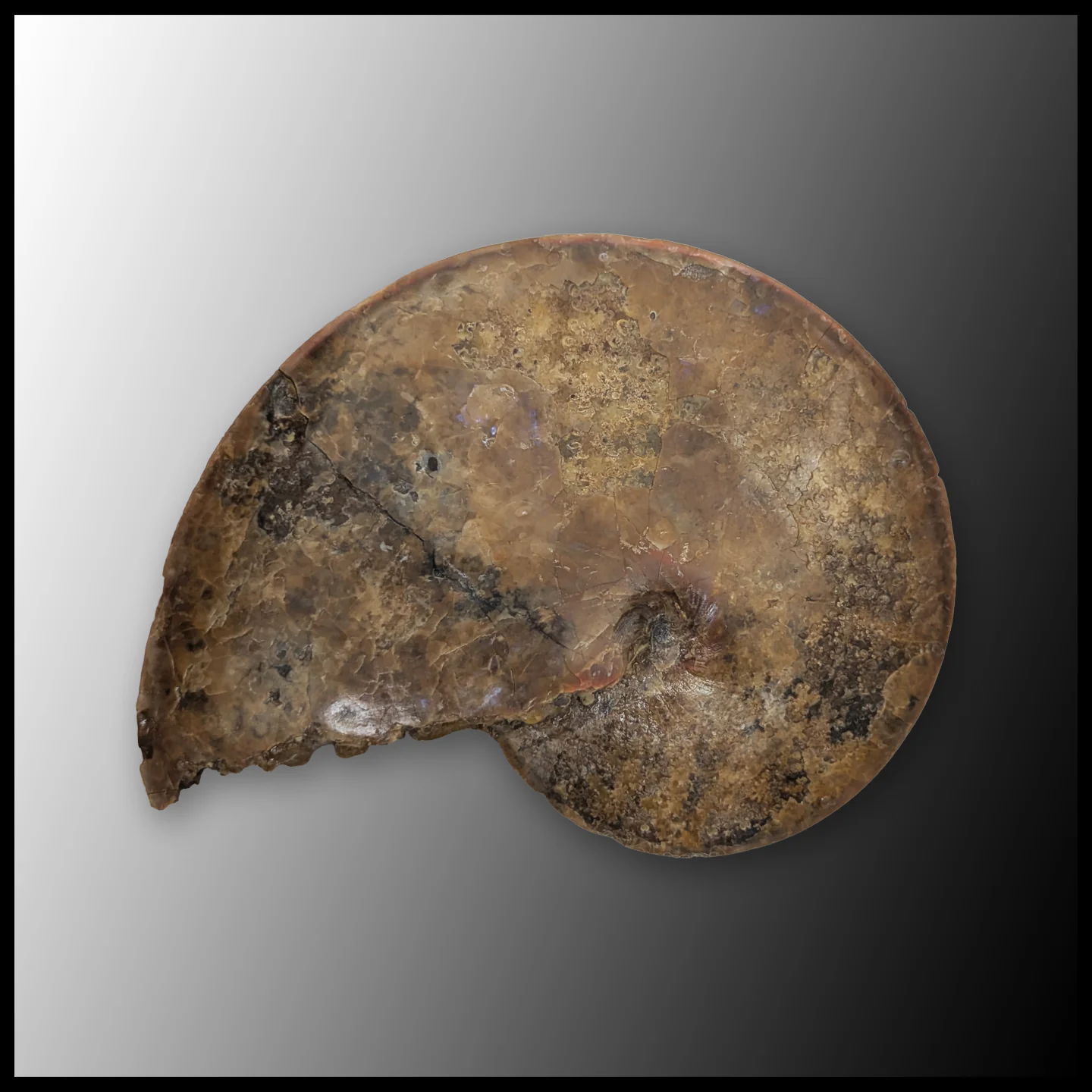
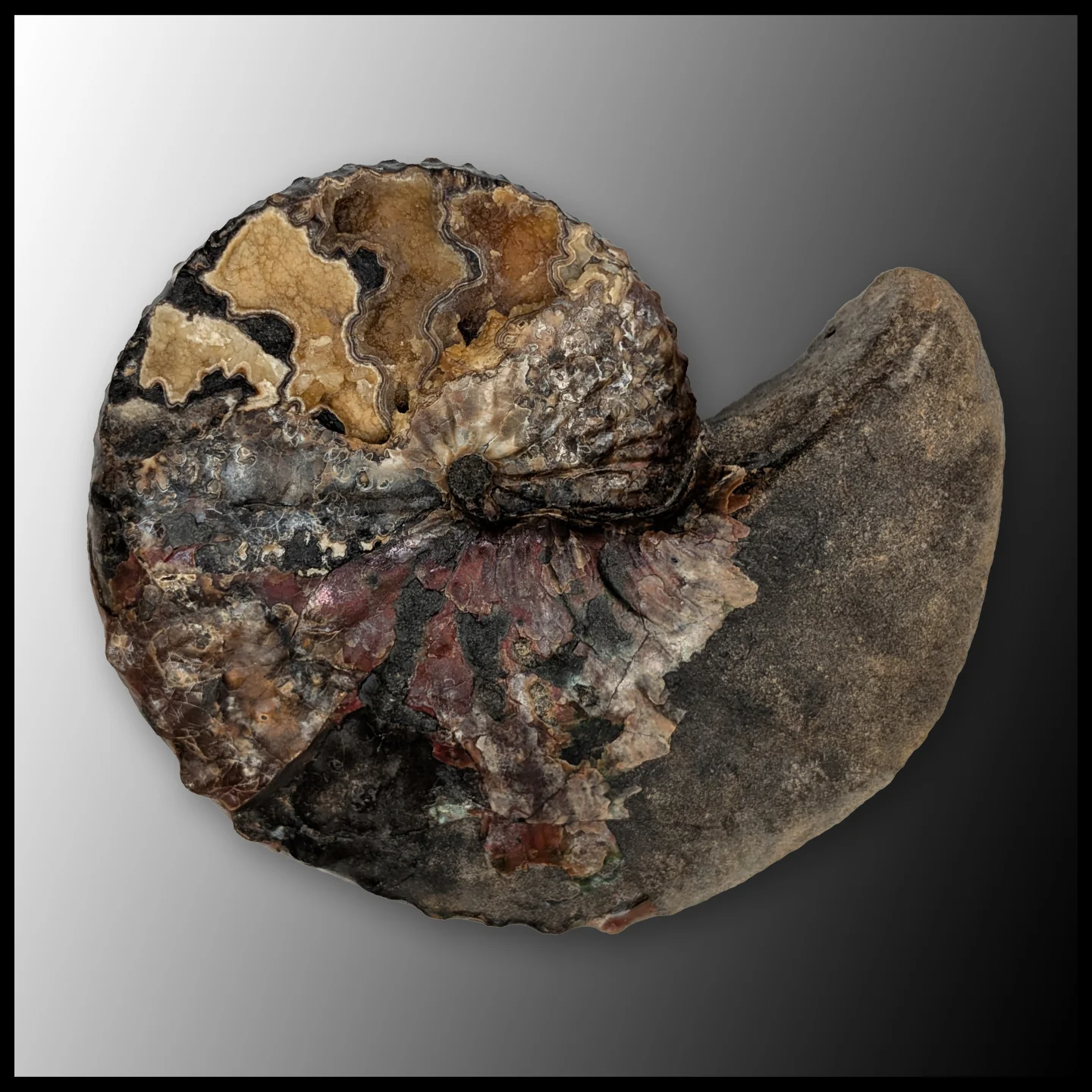
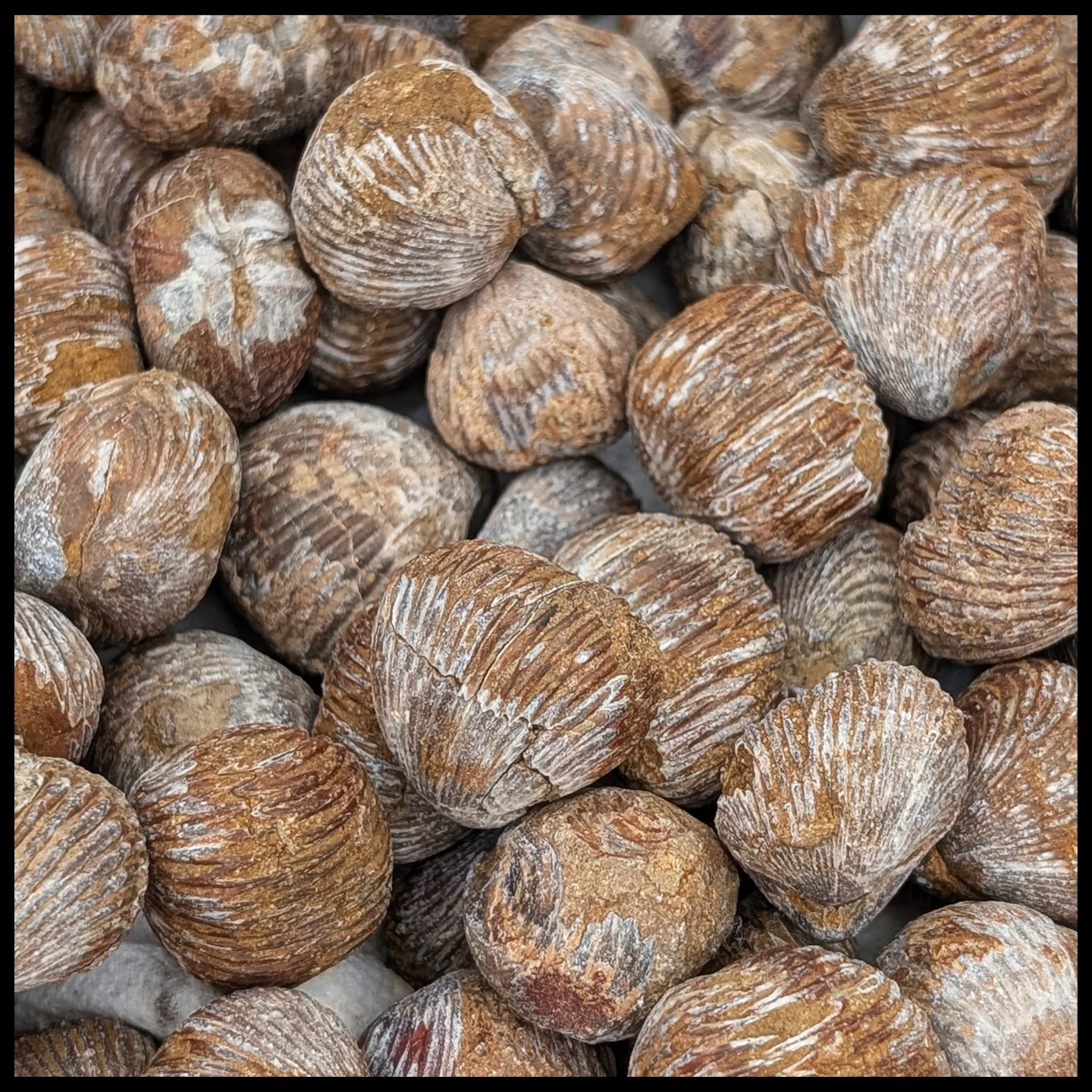
From Mahajanga, Madagascar, dating back to the early Cretaceous period (roughly 100 million years ago). These small bivalve fossils have a ridged outer shell in pale beige to darker tan colors.
Approx.: 1"
Bivalves are a type of molluscs that are protected by their outer exoskeleton composed of two half-shells joined together at a hinge. They differ from Brachiopods, which have 'top' and 'bottom' shells, in that their shell halves are mirrors of each other. Clams, oysters, mussels, and scallops are all types of bivalve molluscs. While these animals still exist today, fossils are found dating back to the early Cambrian period (over 500 million years ago) at the beginning of the Paleozoic Era - meaning some can be older than Dinosaurs!
From Mahajanga, Madagascar, dating back to the early Cretaceous period (roughly 100 million years ago). These small bivalve fossils have a ridged outer shell in pale beige to darker tan colors.
Approx.: 1"
Bivalves are a type of molluscs that are protected by their outer exoskeleton composed of two half-shells joined together at a hinge. They differ from Brachiopods, which have 'top' and 'bottom' shells, in that their shell halves are mirrors of each other. Clams, oysters, mussels, and scallops are all types of bivalve molluscs. While these animals still exist today, fossils are found dating back to the early Cambrian period (over 500 million years ago) at the beginning of the Paleozoic Era - meaning some can be older than Dinosaurs!
Description
From Mahajanga, Madagascar, dating back to the early Cretaceous period (roughly 100 million years ago). These small bivalve fossils have a ridged outer shell in pale beige to darker tan colors.
Approx.: 1"
Bivalves are a type of molluscs that are protected by their outer exoskeleton composed of two half-shells joined together at a hinge. They differ from Brachiopods, which have 'top' and 'bottom' shells, in that their shell halves are mirrors of each other. Clams, oysters, mussels, and scallops are all types of bivalve molluscs. While these animals still exist today, fossils are found dating back to the early Cambrian period (over 500 million years ago) at the beginning of the Paleozoic Era - meaning some can be older than Dinosaurs!